Your Complete Guide to All American Asphalt Paving
Table of Contents
- Introduction: Why Paving Choices Matter
- Asphalt and Concrete Compared: Strengths and Trade-offs
- Material Basics: Composition and How It Affects Longevity
- Common Applications: Driveways, Parking Areas, and Low-Traffic Roads
- Site Preparation and Grading: What Influences the Outcome
- Installation Walkthrough: Layers, Equipment, and Timeline
- Maintenance Planner: A Climate-Adapted Calendar
- Common Problems and Practical Fixes: Cracks, Drainage, and Patching
- Cost Factors to Understand Without Price Figures
- Sustainability and Recycling Options for Pavements
- Selecting Materials and Reviewing Proposals: A Neutral Checklist
- Long-Term Strategies: Overlays, Milling, and Resurfacing
- Resources and Next Steps
Introduction: Why Paving Choices Matter
Whether you’re a homeowner looking to upgrade your driveway or a property manager responsible for a commercial parking lot, the paving material you choose has a significant impact. Your decision affects not only curb appeal and functionality but also long-term maintenance needs and overall value. A well-paved surface is a long-term investment. This guide provides a comprehensive look at All American Asphalt, helping you understand its properties, applications, and lifecycle to make an informed decision for your property.
Choosing the right pavement involves more than just aesthetics. It requires considering your local climate, expected traffic load, and your capacity for ongoing maintenance. A properly installed and maintained surface provides safety, durability, and a positive first impression. Understanding the entire process, from site preparation to long-term care, empowers you to protect your investment and ensure your pavement performs as expected for years to come.
Asphalt and Concrete Compared: Strengths and Trade-offs
Asphalt and concrete are the two most common choices for paving, each with distinct advantages. The best option depends entirely on your specific needs, climate, and priorities. An All American Asphalt surface is known for its flexibility and speed of installation, while concrete is recognized for its rigidity and longevity in certain conditions.
A Decision-Focused Comparison
| Feature | Asphalt (Flexible Pavement) | Concrete (Rigid Pavement) |
|---|---|---|
| Installation Time | Faster installation and curing. Can often be used within 24-48 hours. | Slower installation with a longer curing time, often requiring a week or more before use. |
| Climate Performance | Excellent in cold climates. Its flexibility helps it resist cracking from freeze-thaw cycles. The black color helps melt snow and ice faster. | Performs well in hot climates as it does not soften under heat. Can be prone to cracking in extreme cold. |
| Maintenance | Requires periodic preventative maintenance, primarily sealcoating every 3-5 years, to maximize lifespan. | Lower routine maintenance but repairs can be more complex and costly when needed. |
| Repairs | Repairs for cracks and potholes are generally simpler and blend well with the existing surface. | Patching can be difficult to match in color and texture. Replacing entire slabs is often necessary for major damage. |
| Durability and Lifespan | With proper maintenance, a typical asphalt surface can last 15-20 years before needing major resurfacing. | Can last 20-30 years or more, but its lifespan is highly dependent on a stable sub-base. |
| Best For… | Driveways, parking lots, and roads where flexibility, quick use, and ease of repair are priorities, especially in colder regions. | Heavy-duty applications like loading docks, industrial pads, and properties in very hot climates where rigidity is key. |
Material Basics: Composition and How It Affects Longevity
To appreciate the benefits of asphalt, it helps to understand what it is. Asphalt is a composite material, a carefully engineered mixture of aggregates, a binder, and a filler. The quality of your All American Asphalt installation is directly tied to the quality of these components.
The Key Ingredients
- Aggregates: These are the crushed stone, sand, and gravel that form the structural backbone of the pavement, typically making up about 95% of the mix. The size, shape, and durability of the aggregates are critical for supporting weight and resisting wear and tear.
- Binder: The binder is bitumen, a black, sticky petroleum byproduct. It acts as the glue that holds the aggregates together, providing the pavement with its characteristic flexibility and water-resistant properties.
- Fillers: Fine materials like dust or mineral particles are sometimes added to the mix to fill voids between aggregates, increasing the density and stability of the final product.
The specific recipe, or “mix design,” of an asphalt concrete is engineered for its intended use. A mix for a residential driveway will be different from one designed for a commercial parking lot that must support heavy trucks. The longevity of the surface depends on using the correct mix and ensuring it is produced and applied at the proper temperature.
Common Applications: Driveways, Parking Areas, and Low-Traffic Roads
The versatility of All American Asphalt makes it a popular choice for a wide range of applications, particularly for homeowners and small commercial property managers.
Residential Driveways
Asphalt is a leading choice for driveways due to its smooth finish, cost-effectiveness, and performance in colder climates. Its dark surface absorbs heat, helping to melt snow and ice faster in the winter. The flexibility of asphalt also allows it to handle the minor ground shifts that can occur with seasonal temperature changes, reducing the likelihood of major cracks.
Commercial Parking Lots
For small businesses, retail centers, and office buildings, asphalt provides a durable and easy-to-maintain surface. It can be installed quickly, minimizing disruption to business operations. The dark, uniform surface is also ideal for painting clear, visible parking lines and directional markings, enhancing safety and organization.
Private and Low-Traffic Roads
Asphalt is the standard for most roads, and for private lanes or access roads, it provides a smooth, quiet, and safe driving surface. Its ability to be laid in continuous sections without joints reduces wear on vehicles and provides a more comfortable ride.
Site Preparation and Grading: What Influences the Outcome
The long-term success of any paving project lies beneath the surface. No matter how high-quality the asphalt mix, it will fail prematurely if the foundation is not properly prepared. Proper site preparation and grading are non-negotiable steps for a durable All American Asphalt surface.
Key Steps in Preparation
- Excavation: The first step is to remove existing topsoil, vegetation, and any old, failed pavement to reach a stable subsoil layer. The depth of excavation depends on the soil conditions and the expected load on the finished surface.
- Sub-base Installation: This is the load-bearing foundation of your pavement. A thick layer of crushed aggregate is spread over the excavated area. This layer provides strength, stability, and crucial drainage.
- Grading and Compaction: The sub-base must be carefully graded to ensure proper water drainage away from buildings and the pavement itself. Water is the biggest enemy of pavement. Once graded, the sub-base is compacted using heavy rollers to create a dense, stable platform. A poorly compacted base will lead to sinking and surface failure.
Installation Walkthrough: Layers, Equipment, and Timeline
The installation of an All American Asphalt surface is a precise process involving specialized equipment and an experienced crew. Understanding the steps can help you appreciate the work involved.
The Paving Process
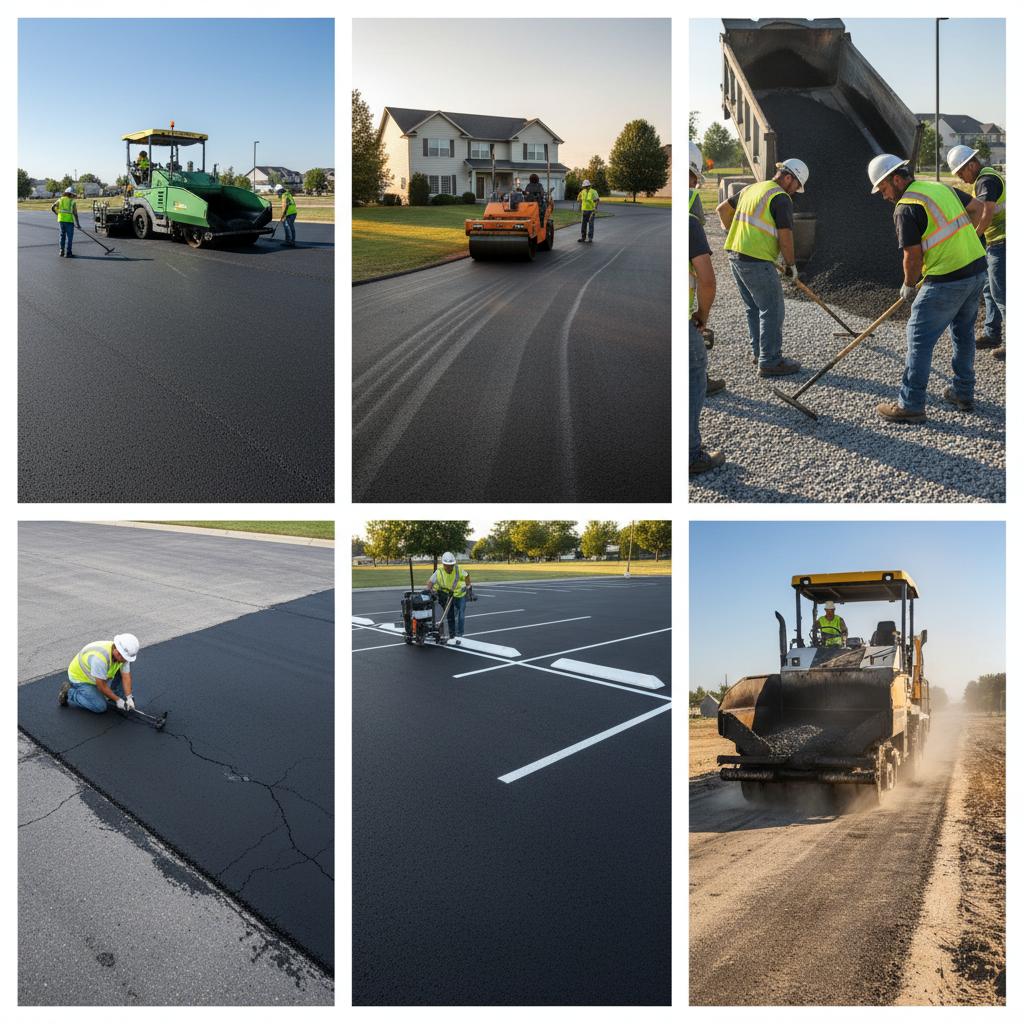
- Binder and Surface Layers: The hot asphalt mix is transported from the plant in insulated trucks to maintain its temperature. It is then applied in two layers. The first is the “binder course,” a layer with larger aggregates for strength. The second is the “surface course,” a smoother mix with smaller aggregates that provides a fine, dense finish.
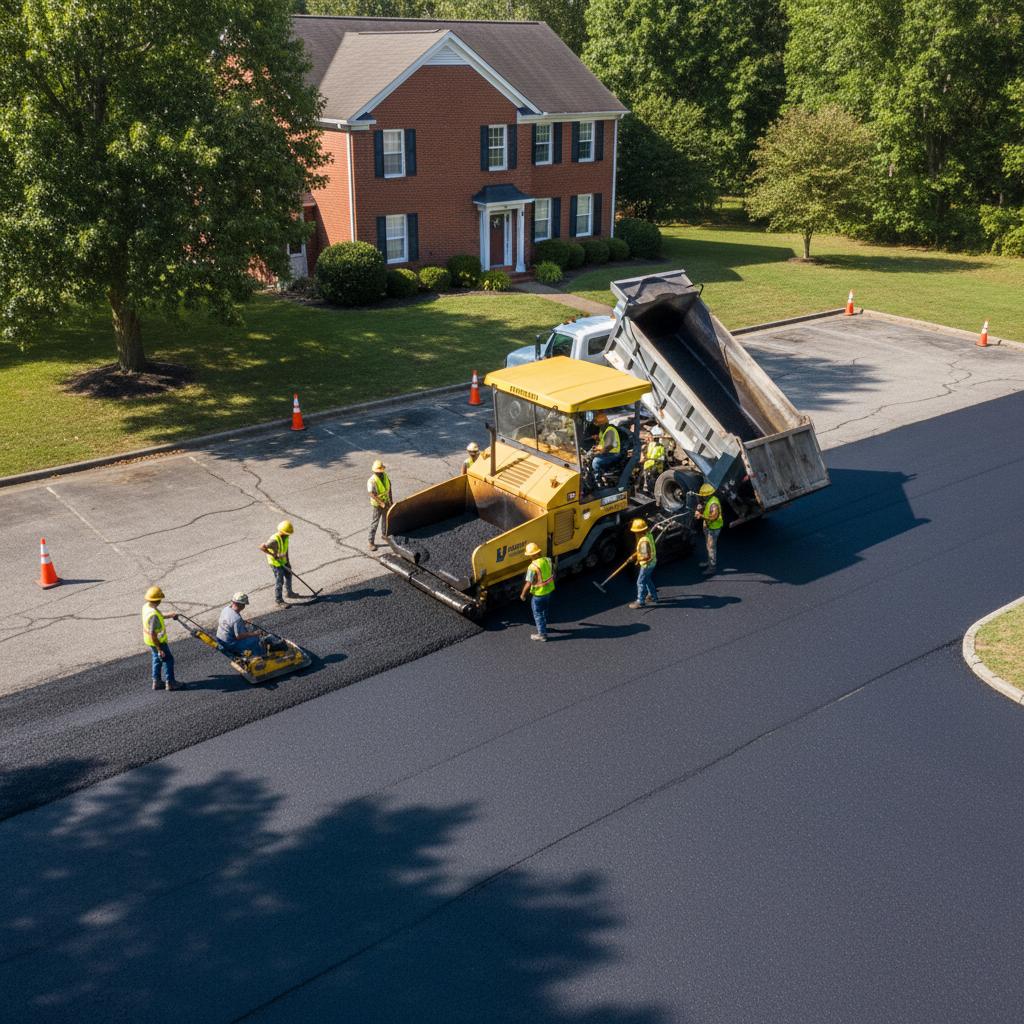
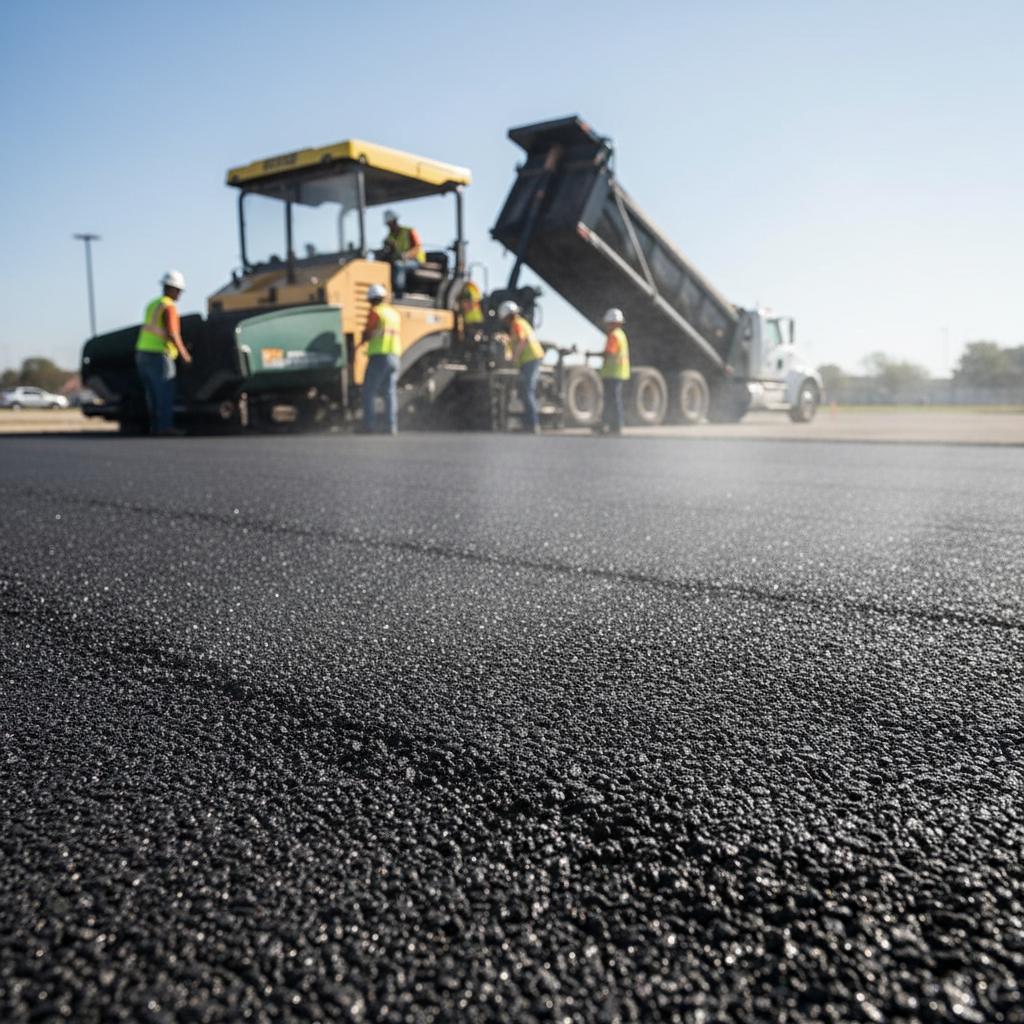
- Application: A paving machine distributes the hot asphalt evenly across the prepared base at a specific thickness. The crew works quickly and efficiently to spread and level the material while it is still hot and workable.
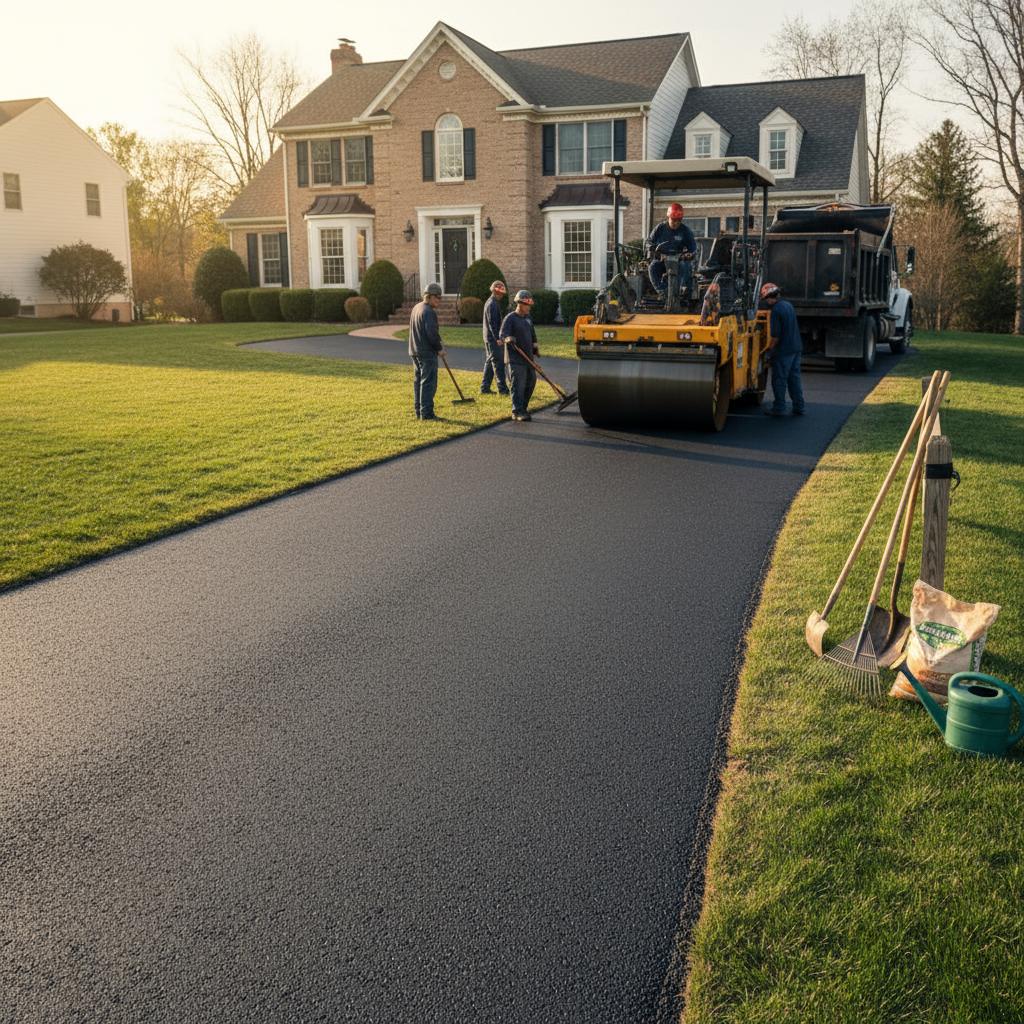
- Compaction: Immediately following the paver, large, heavy rollers pass over the fresh asphalt. This is the most critical step for durability. Compaction presses the aggregates together, removing air voids and creating a dense, water-resistant surface. Multiple passes with different types of rollers are used to achieve the target density.
- Curing: Once compaction is complete, the asphalt needs time to cool and harden. While it may feel solid within a few hours, it’s best to wait 24 to 72 hours before allowing vehicle traffic, depending on the temperature and specific mix.
Maintenance Planner: A Climate-Adapted Calendar
Proactive maintenance is the key to extending the life of your All American Asphalt pavement and preventing small issues from becoming expensive problems. Your maintenance schedule should adapt to your local climate.
Seasonal Maintenance Tasks (for paving strategies in 2026 and beyond)
- Spring (Post-Thaw Inspection):
- Action: Walk the entire paved surface after the last frost. Look for any new cracks, potholes, or low spots that have appeared over the winter.
- Climate Note: In regions with heavy snow and freeze-thaw cycles, this inspection is critical. Pay close attention to the edges of the pavement, which are most vulnerable.
- Summer (Cleaning and Sealing):
- Action: This is the ideal time for deep cleaning and repairs. Fill any cracks to prevent water from penetrating the sub-base. For optimal protection, consider applying a sealcoat every 3-5 years.
- Climate Note: In areas with intense sun, a quality sealcoat is crucial as it protects the asphalt binder from UV radiation, which can cause it to become brittle. Ensure temperatures are consistently above 50°F (10°C) for proper curing.
- Fall (Debris Removal and Drainage Check):
- Action: Clear away leaves and other debris that can trap moisture on the surface. Ensure all drainage paths are clear and water is not pooling on or near the pavement before winter sets in.
- Climate Note: This is especially important in wet climates or areas with many trees. Trapped, freezing moisture is a primary cause of winter damage.
- Winter (Careful Snow and Ice Removal):
- Action: Use a plastic-edged shovel or a snowblower to avoid gouging the surface. Minimize the use of harsh de-icing chemicals, which can degrade the asphalt over time. Sand is a safer alternative for traction.
- Climate Note: The dark color of a well-maintained All American Asphalt surface will naturally help melt snow, reducing the need for excessive clearing and chemicals.
Common Problems and Practical Fixes: Cracks, Drainage, and Patching
Even with good maintenance, asphalt surfaces can develop issues over time. Addressing them early is key.
Identifying and Fixing Common Issues
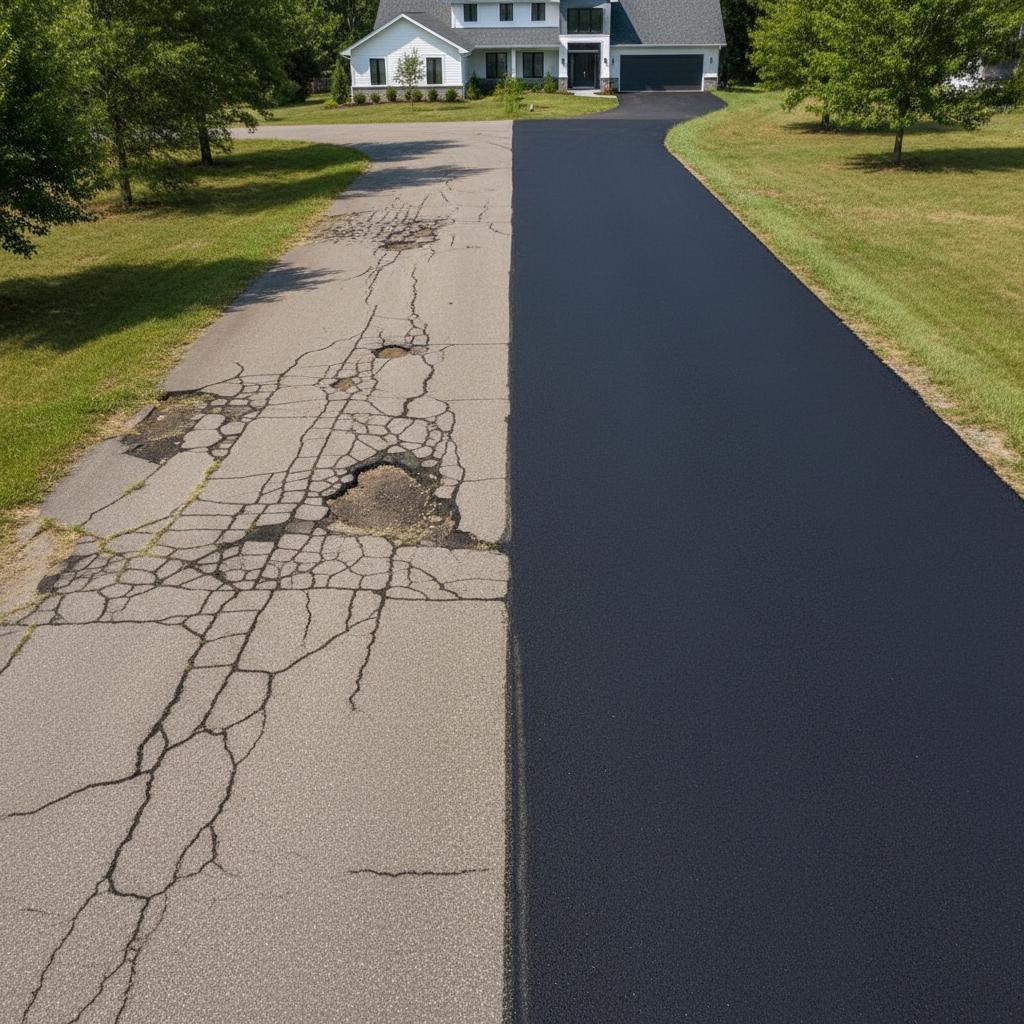
- Cracks: Small cracks (less than a quarter-inch wide) should be filled with a rubberized crack filler to keep water out. Larger, interconnected cracks (known as “alligator cracking”) are a sign of sub-base failure and may require a more extensive patch or resurfacing.
- Potholes: These occur when water gets into the sub-base, freezes and expands, and then thaws, leaving a void that collapses under traffic. A proper repair involves cutting out the damaged area, repairing the sub-base if necessary, and filling it with new hot-mix asphalt, compacting it in layers.
- Drainage Issues: If you notice standing water (puddles) 24 hours after rain, you have a drainage problem. This may be due to settlement creating a low spot. Solutions can range from a simple patch to a more complex drainage installation.
Cost Factors to Understand Without Price Figures
While we cannot provide specific prices, understanding the factors that influence the total cost of an All American Asphalt project will help you evaluate proposals effectively.
What Drives the Overall Cost?
- Project Size: The total square footage of the area to be paved is the most significant factor.
- Site Preparation Needs: A project requiring extensive excavation, grading, or the removal of an old surface will have a higher initial cost.
- Asphalt Thickness: Thicker layers of asphalt are required for areas that will support heavier vehicles, which increases the amount of material needed.
- Accessibility: Difficult-to-reach areas that limit the use of large equipment may require more manual labor, affecting the cost.
- Material and Fuel Prices: The cost of asphalt binder (a petroleum product) and diesel for equipment can fluctuate, impacting project pricing.
Sustainability and Recycling Options for Pavements
Asphalt is one of the most recycled materials in the United States. This commitment to sustainability offers both environmental and economic benefits.
The Green Side of Blacktop
Reclaimed Asphalt Pavement (RAP) is old asphalt that has been milled up from a previous project. This material can be incorporated into new hot-mix asphalt. Using RAP reduces the need for virgin aggregates and binder, conserves natural resources, and can help lower the overall cost of the material. When discussing a project, ask about the possibility of using recycled materials. High-quality All American Asphalt can be produced with significant amounts of RAP without compromising performance.
Selecting Materials and Reviewing Proposals: A Neutral Checklist
Choosing a contractor is just as important as choosing the material. Use this checklist to review proposals and make a confident decision.
Contractor and Proposal Review Checklist
- [ ] Detailed Scope of Work: Does the proposal clearly outline every step, including excavation depth, sub-base material and thickness, and the thickness of the binder and surface courses of asphalt?
- [ ] Proper Grading and Drainage: Is there a specific mention of grading the surface to ensure positive water flow away from structures?
- [ ] Material Specifications: Does the proposal specify the type of asphalt mix being used?
- [ ] Compaction Process: Does the contractor describe their compaction process? This is a critical step for longevity.
- [ ] Insurance and Licensing: Is the contractor fully licensed and insured? Ask for proof of liability and worker’s compensation insurance.
- [ ] Timeline and Site Management: Is there a clear start and end date? How will they manage the site to minimize disruption?
- [ ] References: Can they provide references for similar projects they have completed in your area?
Long-Term Strategies: Overlays, Milling, and Resurfacing
As an asphalt surface ages, you have several options to restore it, short of a full-depth replacement. These strategies can significantly extend the life of your pavement.
Extending Pavement Life in 2026 and Beyond
- Asphalt Overlay: If the existing surface is still structurally sound but has surface-level issues like minor cracking or a worn appearance, an overlay can be a great option. This involves cleaning and repairing the existing surface and then paving a new layer of asphalt (typically 1.5 to 2 inches) directly on top.
- Milling and Resurfacing: For surfaces with more significant deterioration, milling is the preferred method. A milling machine grinds off the top layer of old, damaged asphalt. This allows for the correction of grade and drainage issues before a new surface layer is paved. This process is highly sustainable as the milled material can be recycled. This is often the best approach for a quality All American Asphalt renewal.
Resources and Next Steps
Educating yourself is the best first step toward a successful paving project. For more in-depth technical information, consider these official resources:
- Federal Highway Administration: Provides detailed information on asphalt paving systems and best practices.
By understanding the material, the installation process, and the long-term maintenance needs, you are well-equipped to invest in a durable, functional, and attractive All American Asphalt surface for your property.