The Ultimate Guide to All American Asphalt Paving: A Roadmap for Property Owners
Table of Contents
- Understanding Asphalt Basics
- Asphalt versus Concrete: Practical Differences
- How to Choose the Right Surface for Your Site
- Materials and Machinery Explained
- Common Surface Problems and Repair Options
- Seasonal Maintenance Calendar
- Sustainability and Recycling Practices in Paving
- Planning Checklist for a Paving Project
- Frequently Asked Questions
Whether you are a homeowner planning a new driveway or a property manager overseeing a large commercial lot, understanding the fundamentals of asphalt paving is crucial for making informed decisions. A well-executed paving project enhances curb appeal, improves safety, and adds significant value to your property. This comprehensive guide provides a detailed roadmap, covering everything from material selection to long-term maintenance, ensuring your All American Asphalt Paving project is a success from the ground up.
Understanding Asphalt Basics
Asphalt, also known as bitumen, is a sticky, black, and highly viscous liquid or semi-solid form of petroleum. It is the binding agent in asphalt concrete, which is the material we use for paving roads, driveways, and parking lots. The final paving product is a precise mixture of aggregates (crushed stone, sand, and gravel) and this liquid asphalt binder.
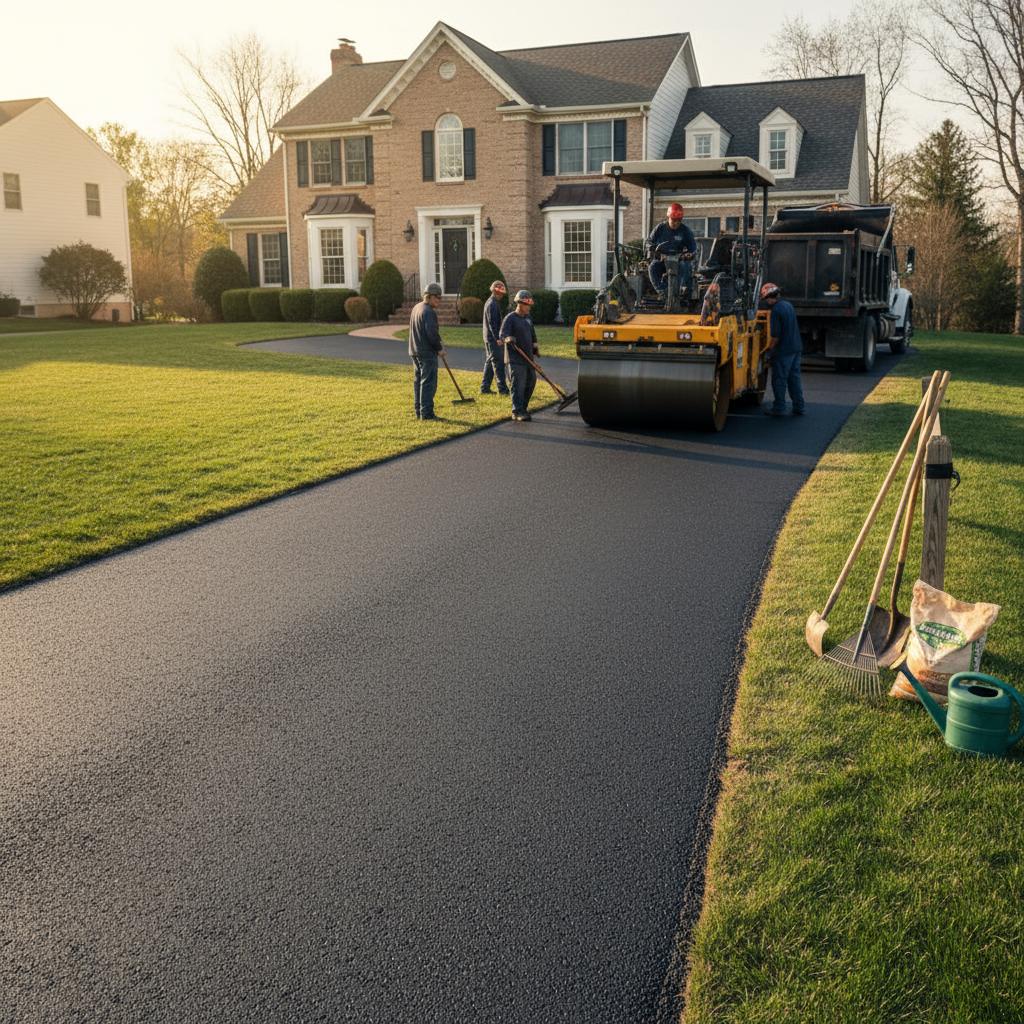
When heated, the asphalt binder becomes fluid, allowing it to coat the aggregates. This mixture, known as hot mix asphalt (HMA), is then delivered to the project site, laid on a prepared base, and compacted with heavy rollers. As it cools, the mixture hardens into a durable, flexible surface. This flexibility is one of asphalt’s key advantages, as it allows the pavement to withstand minor shifts in the underlying ground without significant cracking. Understanding the complete asphalt paving systems is the first step toward a successful installation. An expert in All American Asphalt Paving knows how to tailor this process to specific site conditions and climate challenges.
Asphalt versus Concrete: Practical Differences
Choosing between asphalt and concrete is one of the first major decisions for any paving project. Both materials have distinct advantages and disadvantages depending on the application, climate, and budget. Here’s a practical comparison to guide your choice.
Asphalt is generally more affordable to install than concrete, often costing significantly less per square foot. This initial cost savings makes it a popular choice for large areas like long driveways and commercial parking lots. Concrete, while more expensive upfront, can have a longer lifespan if installed and maintained correctly. A key differentiator in asphalt vs concrete is climate suitability. Asphalt’s dark color absorbs heat, which helps melt snow and ice faster in colder regions. Its flexibility also makes it more resistant to damage from freeze-thaw cycles and the salt used for de-icing. Concrete, on the other hand, can be susceptible to salt damage and cracking in extreme cold.
| Feature | Asphalt | Concrete |
|---|---|---|
| Initial Cost | Lower | Higher |
| Installation Time | Faster (usable in 1-3 days) | Slower (cures over 7+ days) |
| Lifespan | 15-20 years | 25-40 years |
| Maintenance | Requires periodic sealcoating (every 3-5 years) | Requires less frequent sealing; stains are harder to remove |
| Repairs | Easier and less expensive to patch and resurface | More difficult and costly; patches can be noticeable |
| Climate Performance | Better in cold climates; flexible with temperature changes | Can crack in extreme cold; stays cooler in hot climates |
How to Choose the Right Surface for Your Site
The right choice depends on your specific needs. For a residential driveway, aesthetics and budget might be primary concerns. For a commercial parking lot paving project, durability, maintenance costs, and traffic load are more critical. Consider the following factors:
- Traffic Volume: For high-traffic commercial areas, a thicker, more robust asphalt base is necessary. Residential driveways experience much lighter loads. A professional All American Asphalt Paving assessment can determine the required thickness.
- Budget: If upfront cost is a major constraint, asphalt is the clear winner. However, factor in long-term maintenance costs like sealcoating for a complete financial picture.
- Climate: In regions with harsh winters, asphalt’s resilience to salt and freeze-thaw cycles makes it an excellent choice. In extremely hot climates, concrete’s lighter color can help reduce the heat island effect.
- Aesthetics: While concrete offers more decorative options like stamping and coloring, modern asphalt techniques can also provide a clean, uniform, and attractive blacktop finish that complements many architectural styles.
Key Cost Drivers and What They Mean
Understanding what influences the final price of an All American Asphalt Paving project can help you budget effectively. Key cost drivers include:
- Project Size: The total square footage is the most significant factor. Larger projects benefit from economies of scale, often resulting in a lower cost per square foot.
- Sub-base Preparation: The existing ground condition is critical. A poor foundation requires extensive excavation, grading, and the addition of a new aggregate base, which adds to the cost but is essential for longevity.
- Asphalt Thickness: Commercial lots need a thicker layer of asphalt than residential driveways to support heavier vehicles. The required thickness directly impacts material costs.
- Accessibility: Difficult-to-access sites may require smaller machinery or more manual labor, increasing installation time and cost.
- Geographic Location: Material and labor costs can vary significantly by region.
Materials and Machinery Explained
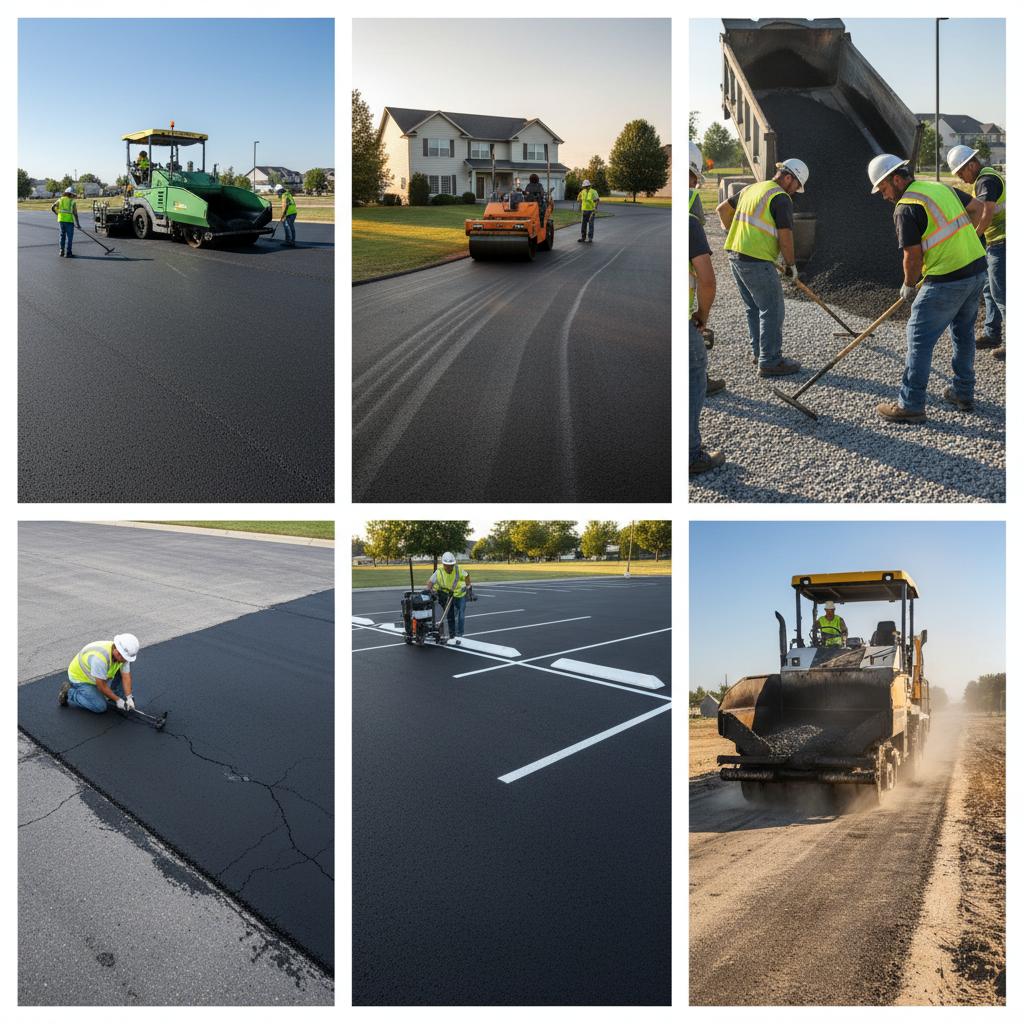
A quality paving job relies on the right materials and equipment. The primary component is hot mix asphalt (HMA), the standard for durable, high-quality surfaces. The specific asphalt materials used in the mix can be customized based on the project’s needs, such as the size of the aggregate and the grade of the asphalt binder.
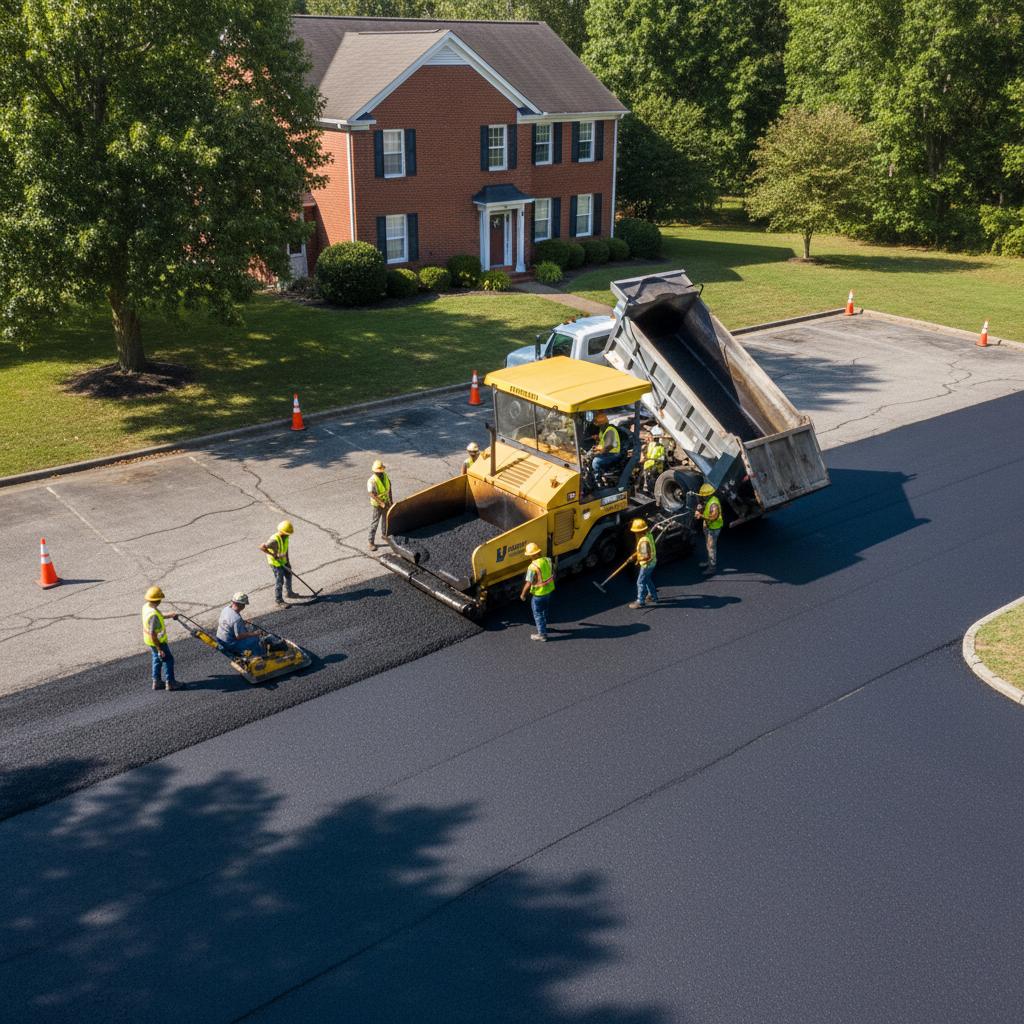
The machinery used in an All American Asphalt Paving project is specialized to ensure a smooth and compacted surface:
- Skid Steer/Loader: Used for excavation, grading, and moving materials during the site preparation phase.
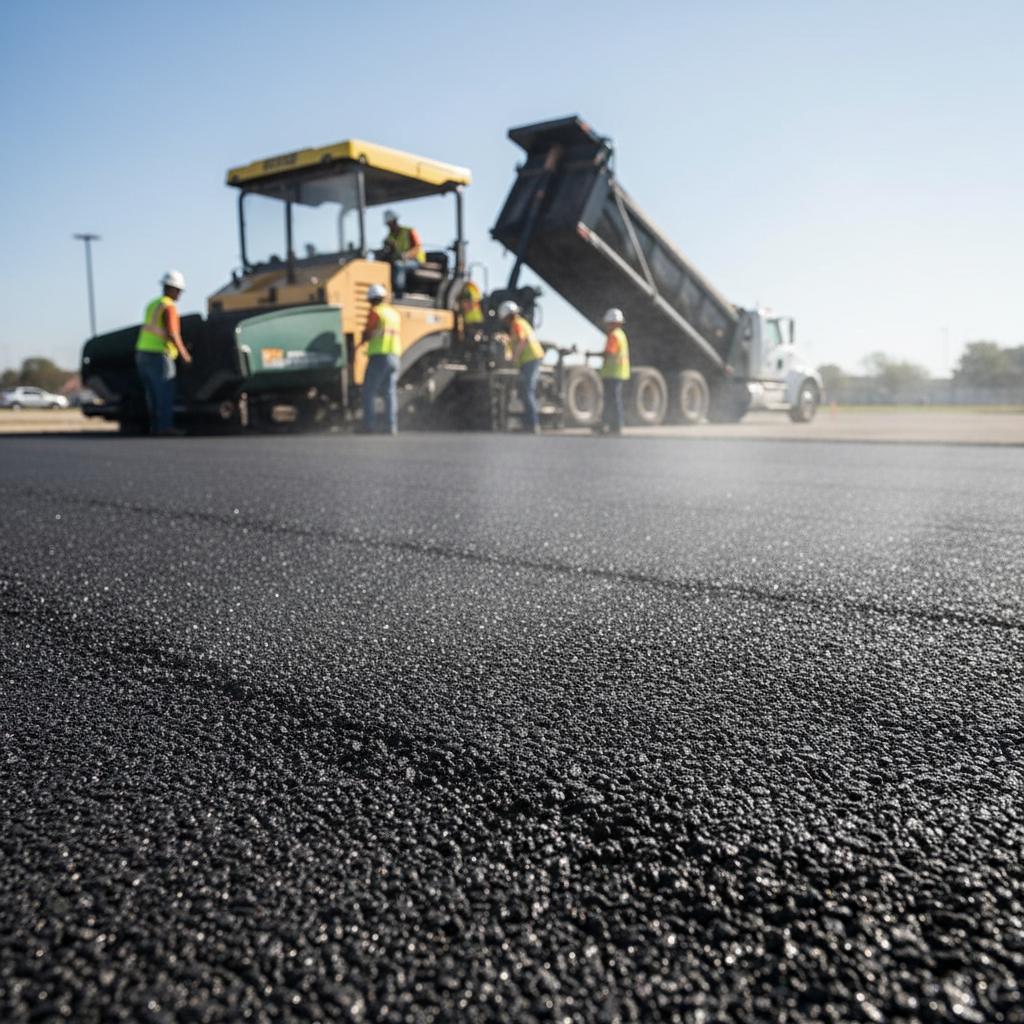
- Dump Truck: Transports the hot mix asphalt from the plant to the job site, often using an insulated bed to maintain temperature.
- Asphalt Paver: This machine receives the HMA and distributes it evenly across the prepared base at a specific thickness and grade.
- Rollers: A series of heavy rollers (breakdown, intermediate, and finish) are used to compact the asphalt, removing air voids and creating a dense, durable surface.
Common Surface Problems and Repair Options
Even the best-laid asphalt can develop issues over time due to weather, traffic, and age. Identifying problems early is key to affordable and effective repairs.
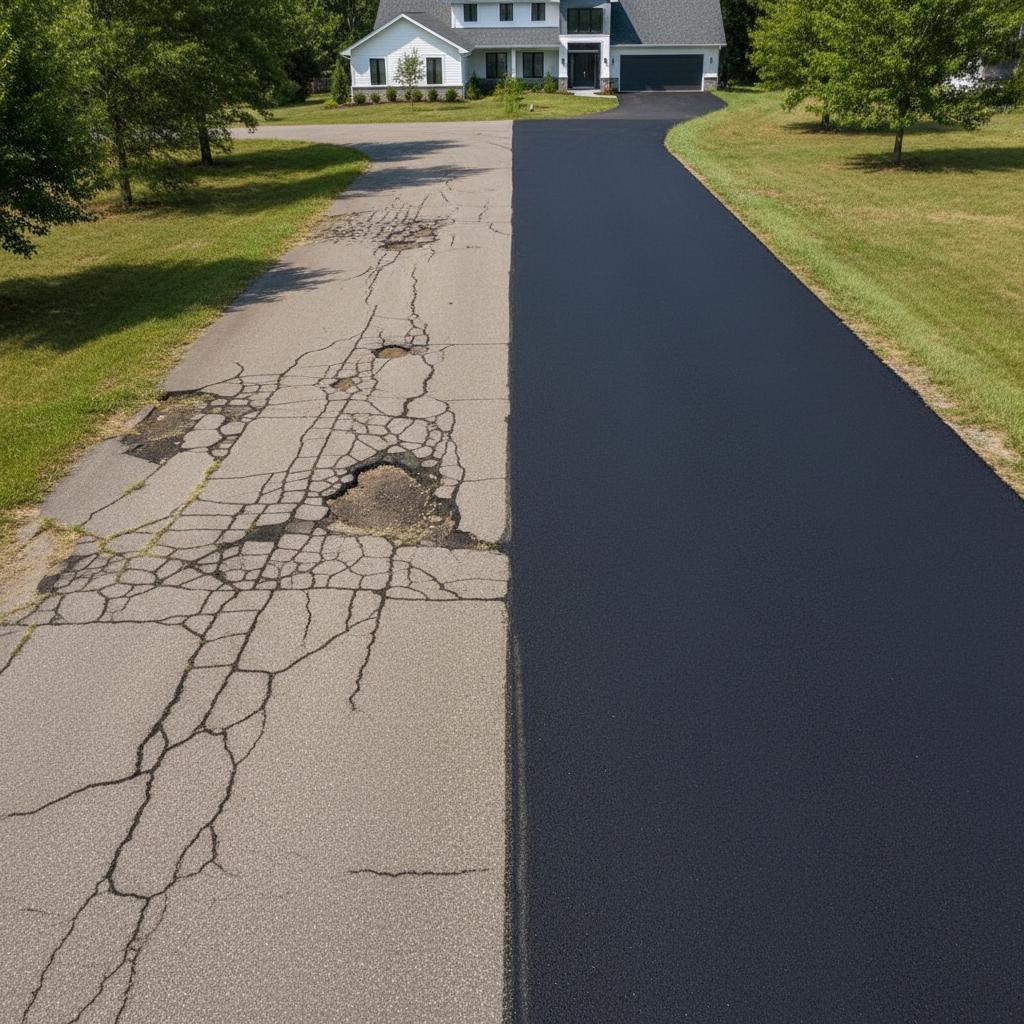
- Cracking (Alligator, Block, Transverse): Caused by sun exposure, base failure, or age. Solution: Small cracks can be filled with a hot-pour rubberized crack sealer to prevent water intrusion. Widespread alligator cracking may signal a deeper base problem, potentially requiring removal and replacement of the affected section.
- Potholes: Form when water penetrates the surface, freezes and expands, and then thaws, weakening the pavement until it crumbles under traffic. Solution: The damaged area should be cut out, cleaned, filled with new hot mix asphalt, and compacted.
- Rutting: Depressions or channels in the wheel paths of a driveway or parking lot, often caused by a weak sub-base or an insufficient asphalt mix design. Solution: Minor rutting can sometimes be leveled, but severe cases require milling and resurfacing the affected area.
- Fading and Raveling: The surface color fades to gray, and small aggregates begin to break loose due to oxidation from sun and air. Solution: A high-quality sealcoating driveway application can protect the surface from oxidation and restore its rich black color. This is a core part of any long-term maintenance strategy.
Seasonal Maintenance Calendar
Proactive maintenance is the best way to extend the life of your asphalt surface. A year-round approach ensures your investment is protected. Any maintenance strategies planned for 2026 and beyond should follow a structured seasonal schedule.
- Spring: After the winter thaw, inspect the entire surface for any new cracks or potholes that formed. Clean the surface of all sand, salt, and debris. Schedule crack sealing to prevent spring rains from seeping into the base.
- Summer: This is the ideal time for major repairs and sealcoating, as the warm, dry weather allows for proper curing. Have your surface professionally sealcoated every 3-5 years to protect it from UV rays and water damage.
- Fall: Conduct another inspection before winter arrives. Fill any new cracks to prevent the freeze-thaw cycle from causing damage. Ensure proper drainage by clearing away leaves and debris from the edges of the pavement.
- Winter: Use a plastic-edged shovel or a snowblower with raised skids to avoid gouging the asphalt. Minimize the use of harsh de-icing chemicals, as they can degrade sealants over time.
Sustainability and Recycling Practices in Paving
The asphalt industry is a leader in recycling. Asphalt is one of the most recycled materials in the United States. Reclaimed Asphalt Pavement (RAP) is the term for old asphalt that has been removed and crushed. This material can be incorporated into new hot mix asphalt, reducing the need for virgin materials and lowering the environmental footprint of a paving project.
Using RAP not only conserves natural resources like stone and gravel but also reduces energy consumption and greenhouse gas emissions associated with producing new asphalt binder. When you choose a contractor, inquire about their use of recycled materials. A commitment to sustainable All American Asphalt Paving practices is beneficial for both the environment and often the project budget.
Planning Checklist for a Paving Project
A successful paving project starts with careful planning. Use this checklist to stay organized.
- Define Project Scope: Determine the exact area to be paved. Is it a new installation, a resurfacing, or a complete removal and replacement?
- Set a Budget: Research average costs in your area and determine what you can afford. Remember to account for potential contingencies like unexpected base repairs.
- Check Local Regulations: Some municipalities have regulations regarding permits, drainage, or pavement materials. Ensure your project is compliant.
- Get Multiple Quotes: Contact reputable, insured contractors. Provide them with the same project details to receive comparable estimates.
- Verify Contractor Credentials: Check for proper licensing, insurance (liability and worker’s compensation), and references from past clients. A professional contractor specializing in All American Asphalt Paving will gladly provide this information.
- Review the Contract: Ensure the written contract is detailed. It should specify the scope of work, materials to be used, thickness of asphalt, payment schedule, and a projected timeline.
- Prepare the Site: Clear the area of any vehicles, equipment, or obstacles. Mark the locations of any sprinkler heads or utility lines near the work zone.
Frequently Asked Questions
How long does a new asphalt driveway last?
With proper installation and routine maintenance, including regular sealcoating, a residential asphalt driveway can last 15 to 20 years, or even longer depending on the climate and traffic load.
How soon can I drive on new asphalt?
You can typically walk on new asphalt within 24 hours. It is recommended to wait at least 48-72 hours before driving on it to allow it to fully harden. In hotter weather, it may be best to wait a bit longer.
Why is a proper sub-base so important?
The sub-base is the foundation of your pavement. A stable, well-compacted aggregate base provides the strength to support the asphalt and the traffic it will bear. Over 80% of pavement failures are due to a weak or improperly prepared sub-base.
Is sealcoating really necessary?
Absolutely. Sealcoating is a critical preventive maintenance step. It creates a protective barrier against water, UV rays, and vehicle fluids, which can all degrade the asphalt binder. It also restores the deep black finish, enhancing curb appeal. Neglecting this step will shorten the lifespan of your pavement.